

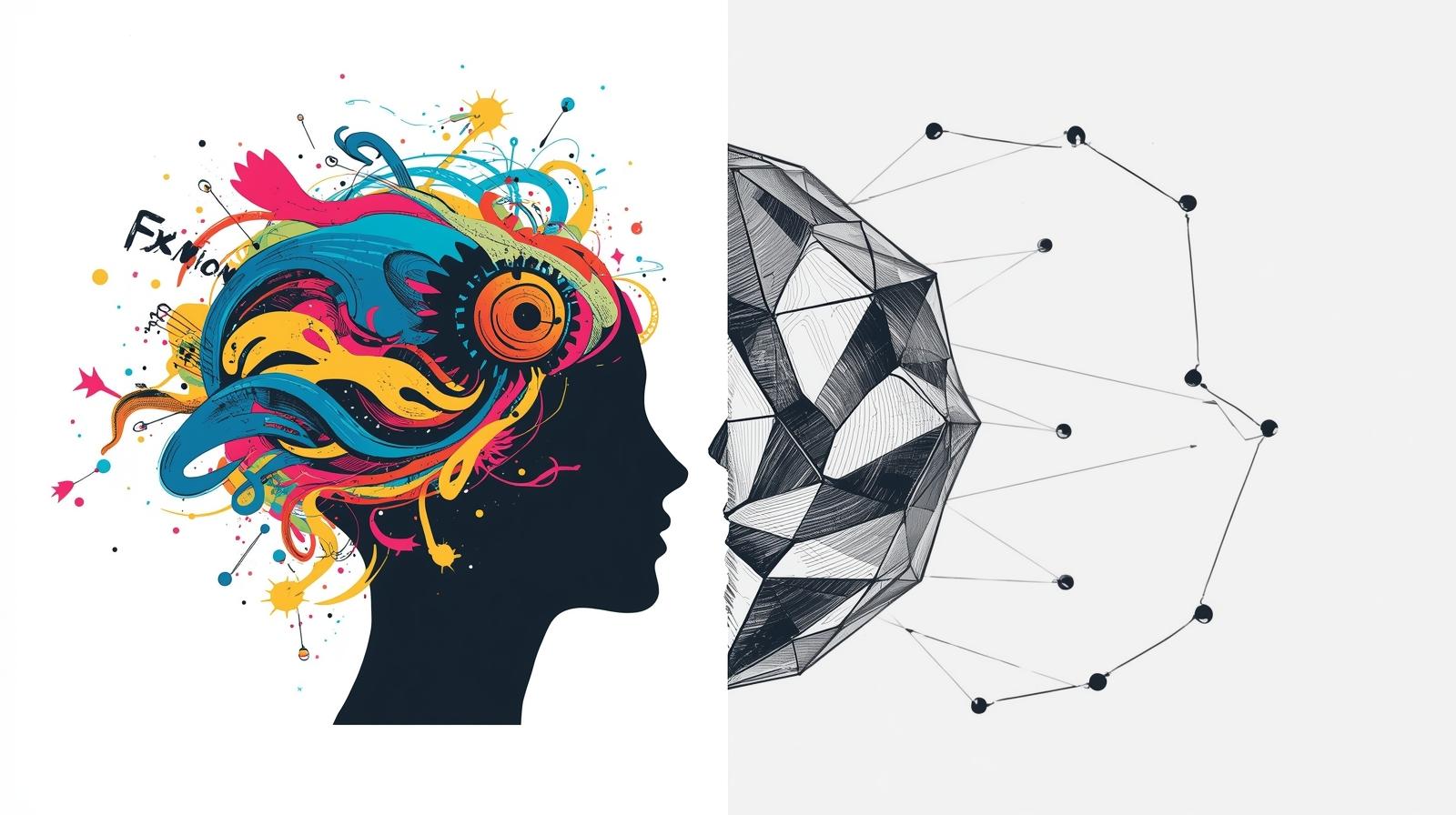

Most people think of decisions as logical choices. We imagine weighing the facts, comparing options, and then picking what makes the most sense. In everyday life, that often feels true.
But in reality, many decisions are influenced by emotion first and logic second. This is especially noticeable in environments that feel fast, exciting, or uncertain.


Sports and betting combine all three of those elements. That makes emotional influence a normal part of the experience rather than an exception.
Decisions aren’t purely analytical
Even when we believe we’re being rational, our brains rarely operate like calculators.
Instead of carefully analysing every piece of information, we rely on shortcuts. These shortcuts help us make quick decisions without having to process everything in detail.
Emotion is one of the most powerful shortcuts we use. It helps us react quickly, but it can also shape how we interpret situations.
This isn’t a flaw or a mistake. It’s simply how human thinking works.
The role of excitement
Live sports naturally create emotional highs and lows.
A last-minute goal, a comeback, or a close finish can change how we feel in seconds. That emotional shift can also influence how we think in the moment.
Excitement tends to increase confidence and speed up decisions. Things feel more certain and more immediate than they might otherwise.
When energy is high, choices often feel easier, even if the underlying information hasn’t changed.
This is part of the atmosphere that makes sports engaging.
The role of disappointment
Emotions don’t only appear during positive moments.
Losses, near misses, or unexpected results can create frustration or disappointment. These feelings can linger longer than we expect.
When we feel disappointed, our brains often focus more on “fixing” the situation than calmly reassessing it. The desire to restore balance can feel stronger than the desire to step back.
Again, this is a normal reaction. It’s how people respond to setbacks in many areas of life, not just betting.
The emotional weight simply makes decisions feel more urgent.
Why logic takes a back seat
Logic requires time and mental space.
It involves pausing, reviewing information, and considering alternatives. But emotional moments don’t always allow for that pause.
When something feels urgent or exciting, the brain prioritises speed over analysis. We react first and reflect later.
This isn’t because logic disappears. It’s because emotion temporarily moves to the front of the queue.
The result is that feelings often guide choices before reasoning fully catches up.
How confidence changes perception
Emotions can also influence how confident we feel about an outcome.
After a few positive results, things may feel more predictable or familiar. Confidence grows, even if the underlying uncertainty remains the same.
That confidence can shape how information is interpreted. Evidence that supports a belief feels stronger, while contradictory signals feel less important.
Nothing about the event itself has changed. Only the emotional lens through which it’s being viewed.
This is a subtle but common part of decision-making.
The pace of modern platforms
Technology can amplify these effects.
Live updates, quick refreshes, and real-time options create a fast environment. Decisions often happen within seconds rather than minutes.
When the pace increases, there’s less room for reflection. Emotional reactions naturally fill that space.
This doesn’t mean decisions are careless. It simply means they’re happening under different conditions.
Speed changes how we think, just as much as information does.
Why this is normal behaviour
It’s easy to assume that decisions should always be calm and logical.
But human behaviour doesn’t work that way. Emotions are built into how we process experiences and make choices.
They help us stay engaged and responsive. Without them, sports and entertainment wouldn’t feel nearly as interesting.
So emotional influence isn’t something unusual or problematic. It’s simply part of being human.
Recognising that can make the experience feel more understandable.
Seeing decisions more clearly
Understanding the role of emotion isn’t about removing it.
It’s about recognising that both feeling and thinking are always present together. Neither operates on its own.
When you notice that excitement, disappointment, or confidence is shaping a moment, it adds context. It explains why certain choices feel easier or more urgent.
This awareness doesn’t force any change. It simply brings clarity to the process.
And clarity often makes situations feel less mysterious.
Bringing it together
Betting decisions, like many everyday decisions, are influenced by more than logic alone. Emotions such as excitement, confidence, and disappointment naturally shape how we interpret information and how quickly we act.
This doesn’t mean decisions are irrational or wrong. It simply reflects how human thinking works, especially in fast-moving and engaging environments.
Understanding that emotions play a role helps put those moments into perspective. And when you can see both the feelings and the logic at work, the decision-making process tends to feel more balanced and easier to understand.