


Most of the time, betting platforms work as expected.
Accounts function normally, deposits and withdrawals process smoothly, and there’s little reason to think about what happens behind the scenes.


But occasionally, questions or disagreements can arise. A transaction may not look right, a bonus may be unclear, or a result may need clarification.
In regulated environments, there are usually formal processes in place to handle these situations.
This is often referred to as dispute resolution.
Why dispute resolution exists
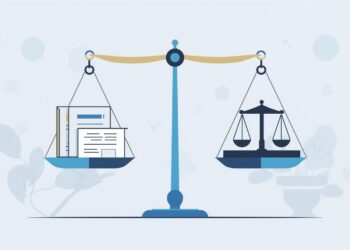
Dispute resolution is simply a structured way of reviewing concerns.
Licensed operators are typically required to provide a clear path for customers to raise issues and receive a response. This helps ensure that questions aren’t handled informally or inconsistently.
It also means there is accountability beyond a single conversation with customer support.
The goal isn’t conflict. It’s clarity and fairness when something doesn’t make sense.
The first step is usually customer support
Most issues begin with a standard support channel.
This might be live chat, email, or a help desk form. In many cases, simple questions can be resolved quickly at this stage.
Licensed operators are generally required to keep records of these interactions and provide written responses.
Having this initial step helps establish what happened and what information has already been shared.
For everyday queries, this is often enough.
When an issue needs a formal review
If a concern isn’t resolved through normal support, licensed platforms typically have a formal complaints process.
This is usually outlined in the site’s terms or help section. It may involve submitting details in writing and allowing the operator time to review the case internally.
During this process, the operator looks at account history, transaction records, and any relevant terms or policies.
The aim is to provide a clear explanation or outcome based on documented information.
This step introduces more structure than a simple support exchange.
Independent escalation may be available
One of the key differences in regulated environments is that complaints don’t always stop with the operator.
If a player remains dissatisfied after the internal review, there may be an option to escalate the issue to an independent body.
These external services are often known as dispute resolution providers or ombudsman-style organisations.
They review cases separately from the operator and provide an impartial assessment.
This adds an extra layer of oversight.
It also means the final review isn’t solely controlled by the company involved.
The regulator’s role
Regulators don’t usually handle individual complaints directly.
Instead, they set the standards operators must follow and ensure that proper processes exist.
They may also monitor complaint volumes and patterns to identify broader issues.
If an operator repeatedly fails to meet obligations, regulators can intervene through warnings, fines, or other enforcement actions.
So while the regulator may sit in the background, their presence shapes how disputes are handled.
It creates expectations around fairness and consistency.
What information is typically reviewed
Dispute processes usually rely on records rather than opinions.
Platforms may look at things like:
- timestamps of activity
- transaction histories
- account communications
- published terms and conditions
This helps ensure decisions are based on documented facts.
Having clear records tends to make outcomes easier to understand for everyone involved.
How this differs from unregulated environments
In unregulated or offshore environments, formal dispute structures may not exist.
Concerns are often handled entirely by the operator itself, with limited external oversight or independent review.
That doesn’t automatically mean outcomes will be negative. But it can mean fewer defined processes and fewer escalation options.
The presence of structured, independent channels is one of the main distinctions in licensed systems.
It adds predictability.
Where this fits into everyday use
Most people never need to think about dispute resolution.
And ideally, they won’t have to.
These processes exist quietly in the background, similar to other consumer protections in everyday services.
You don’t notice them unless something requires clarification.
Their purpose is simply to provide a clear path forward when questions arise.
Licensed betting environments include more than just tools and safeguards.
They also include procedures – small, structured systems designed to handle situations fairly and consistently.
Dispute resolution is one of those systems.
Understanding that it exists isn’t about expecting problems. It’s about knowing there are defined processes in place if something ever needs to be reviewed.
And that kind of clarity helps make the overall environment easier to understand.