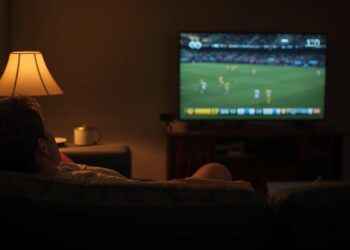

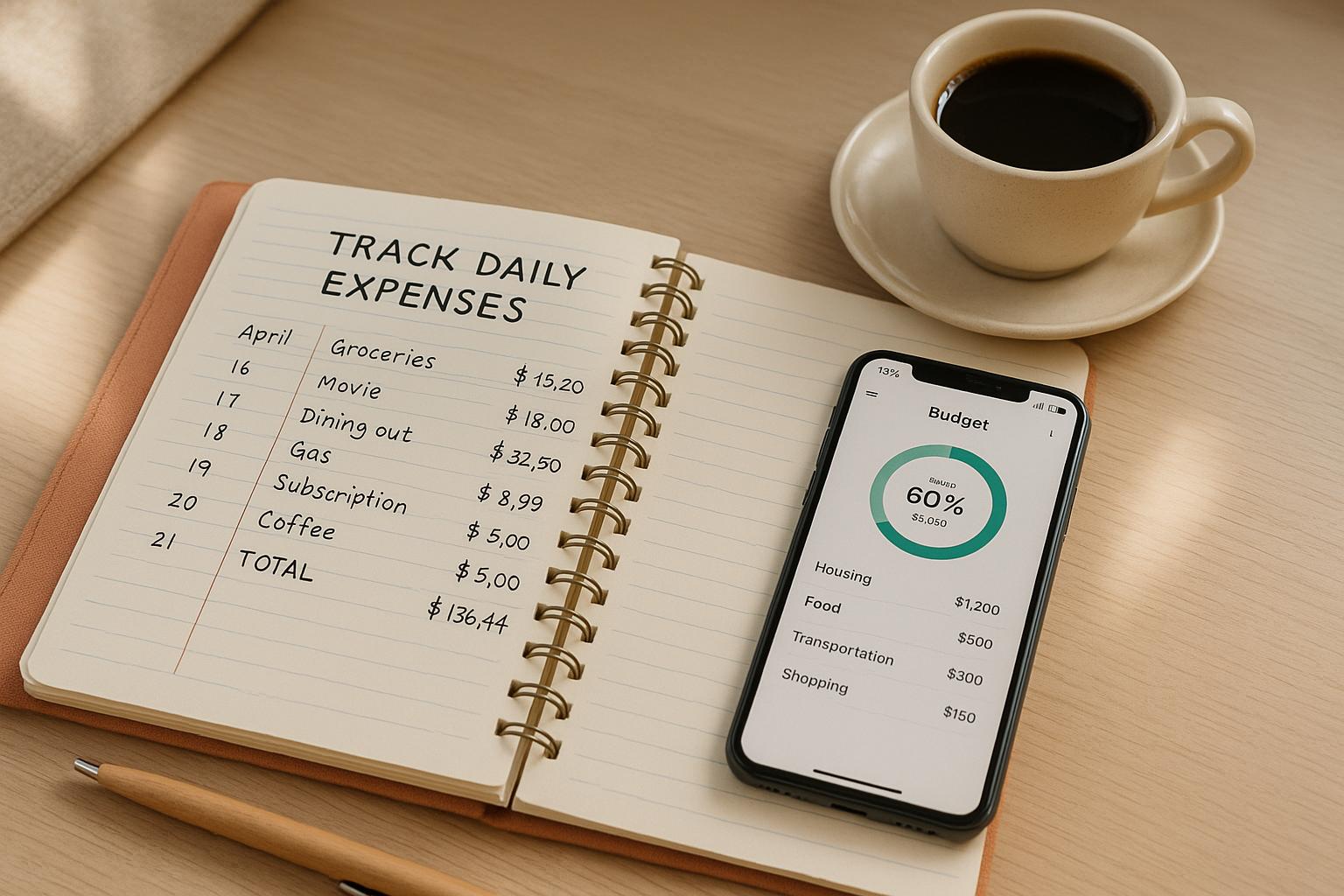

A clear betting routine often starts with understanding where your money goes and separating entertainment spending from everyday living costs.
For many recreational bettors, betting sits alongside other leisure activities like streaming services, dining out, or going to events. It’s something done for enjoyment, not necessity. But when those costs mix with bills, groceries, and rent, it can become harder to see what you’re really spending.
You might also like


This isn’t about restriction or strict budgeting. It’s about clarity.
When entertainment money and essential money are kept separate, decisions tend to feel calmer and more deliberate. When they’re blended together, it’s easier to lose track.
A small structural change can make a big difference.
Why mixing expenses can blur perspective
Most people don’t track every purchase closely.
Daily expenses often flow through the same account or card:
-
rent or mortgage
-
utilities
-
groceries
-
transport
-
subscriptions
-
leisure and entertainment
When everything sits in one place, betting transactions can look just like any other payment.
Over time, this makes it harder to answer simple questions like:
-
How much did I spend on entertainment this month?
-
How much of that was betting?
-
Does that still feel comfortable for me?
Without clear separation, spending can feel abstract.
For example, placing several small bets during the week might not stand out when they’re mixed between coffee, fuel, and household purchases. Individually, each amount seems minor. Together, they may be larger than expected.
This is how small habits quietly shape a betting routine.
Thinking of betting as entertainment
One helpful mindset is to treat betting the same way you would treat other leisure spending.
Most people naturally set informal limits on entertainment:
-
a cinema ticket
-
a takeaway meal
-
a concert
-
a streaming subscription
These costs are understood as discretionary. If money feels tight, they’re often the first things reduced or postponed.
Viewing betting in this same category can make it easier to keep things balanced.
It becomes less about outcomes and more about experience.
In this way, the cost is simply the price of entertainment, not something tied to everyday living needs.
This distinction helps remove pressure and keeps expectations realistic.
How separation supports awareness
Separating entertainment spending isn’t complicated. It’s mainly about visibility.
When you can clearly see what’s allocated for leisure, you’re more likely to stay aware of changes in your behaviour.
This might look like:
-
setting aside a monthly entertainment amount
-
using a separate card or wallet for leisure spending
-
tracking entertainment totals once a week
-
checking how your betting routine fits within that amount
The goal isn’t precision. It’s simply to avoid guessing.
When spending is visible, small increases are easier to notice.
For example:
-
If your usual monthly entertainment spend is €150 and one month it’s €250, you’ll see the difference quickly.
-
If everything is mixed together, that change may go unnoticed.
This kind of awareness helps you make informed choices rather than discovering surprises later.
Everyday examples of small shifts
Changes in a betting routine often show up gradually in spending patterns.
Some examples include:
-
topping up an account more frequently
-
adding “just one more” bet during a match
-
increasing stakes slightly without realising
-
betting on additional events because funds are available
None of these actions feel dramatic.
But when entertainment money isn’t clearly defined, it’s easier for these behaviours to blend into normal expenses.
Imagine two situations:
Mixed spending
You place several small bets during the week. They appear alongside groceries and bills. You don’t notice the total.
Separated spending
You use a dedicated entertainment balance. You immediately see how much remains.
The second situation naturally encourages reflection. Not control or restriction – just awareness.
Reducing financial pressure
Another benefit of separation is emotional.
When betting money overlaps with essential expenses, it can create subtle stress.
Questions may arise like:
-
“Should I really be spending this?”
-
“Will this affect my bills later?”
This pressure can change the experience. What started as entertainment may start to feel tense or uncomfortable.
By separating funds, the boundaries are clearer.
Essential costs are already covered. Entertainment spending is pre-defined.
This clarity often leads to:
-
fewer impulsive decisions
-
less second-guessing
-
a calmer mindset
-
a more measured betting routine
The activity remains what it was meant to be – optional.
Keeping things simple
There’s no single right method. The simplest approach is usually the most sustainable.
Some people prefer:
-
a monthly transfer to a separate account
-
prepaid cards for entertainment
-
cash envelopes
-
or a basic note on their phone tracking totals
What matters is not the tool, but the visibility.
If you can quickly answer, “How much am I spending on entertainment this month?”, you already have enough information to stay informed.
Final thoughts
Separating entertainment spending from daily expenses doesn’t require strict rules or detailed budgets.
It’s a small structural change that makes your betting routine easier to understand.
When essentials and leisure are clearly divided:
-
spending is more transparent
-
habits are easier to notice
-
decisions feel more intentional
-
betting stays aligned with entertainment
In the end, it’s not about limiting enjoyment. It’s about keeping it comfortable and sustainable.
A little clarity today can help your routine stay balanced tomorrow.